
The RAAF Museum gives Point Cook residents a way to explore aviation history close to home. A successful visit starts with a confirmed booking and a realistic plan for everyone travelling with you.
Because the museum sits inside a controlled air base, preparation matters before you reach the gate. This guide brings together the current visitor information, exhibition choices and practical questions to settle before leaving home.
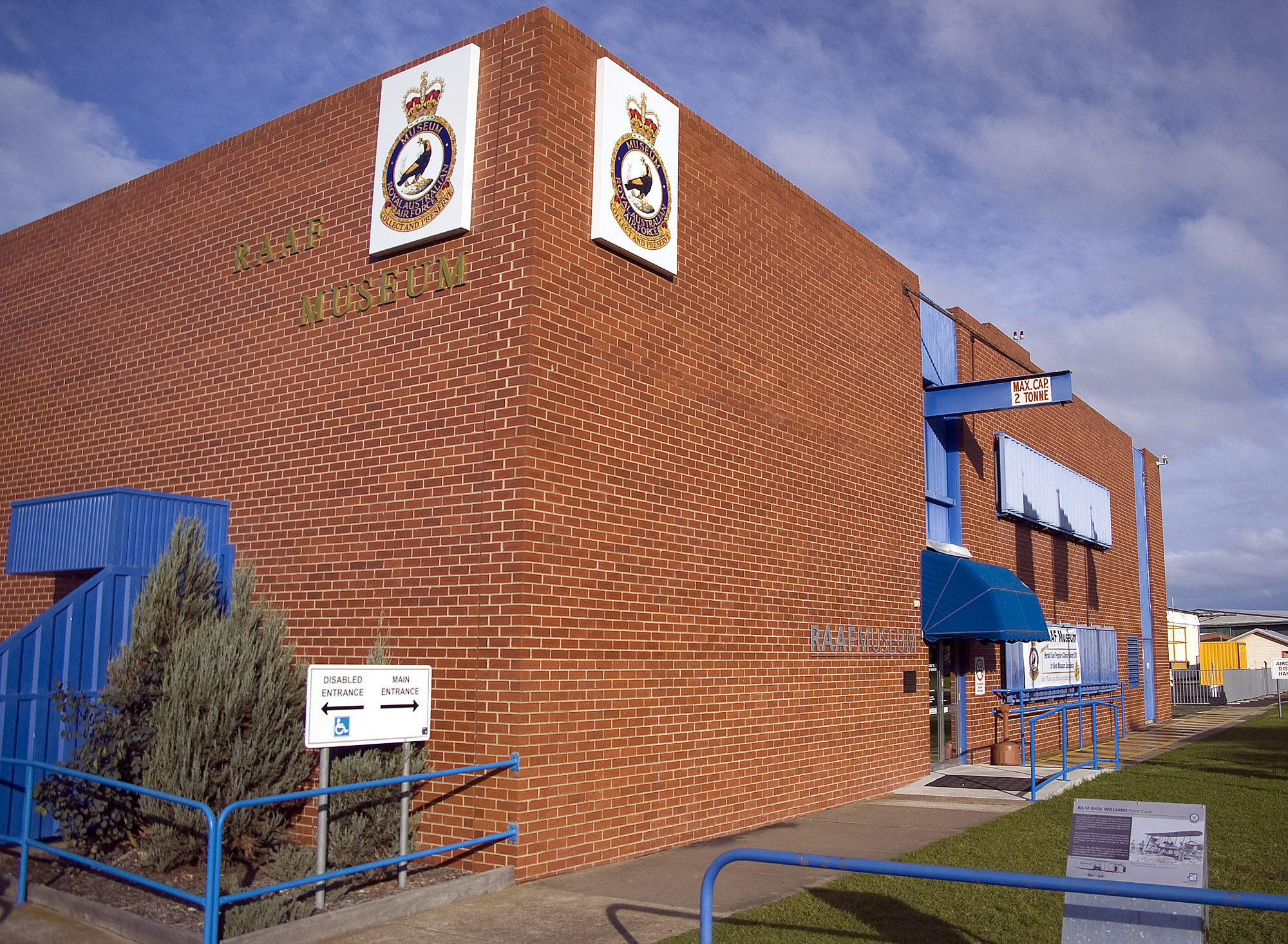
Image for reference only. RAAF Museum at Point Cook, photographed on 18 June 2010 by Bidgee. Source: Wikimedia Commons. Creative Commons Attribution-ShareAlike 2.5 Australia (CC BY-SA 2.5 AU). No changes to the original image. This historical photograph does not show a current event or the present exhibition layout.
Why Point Cook is part of the story
The Air Force identifies RAAF Base Point Cook as the birthplace of the Australian Flying Corps and the Royal Australian Air Force. The base entered the National Heritage List in 2007, and the museum sits within its historic aviation setting.
That setting gives the visit a local connection beyond viewing aircraft. The site helps explain why aviation features in Point Cook's history, while the galleries connect the equipment with the people who trained, maintained and flew it.
For children, choose a simple question before arriving: how did pilots learn to fly, or why do aircraft shapes change? Adults interested in local history might focus on training at Point Cook and Australian aircraft production.
A specific interest makes a short visit easier to organise. It also gives a mixed group something to discuss without expecting every person to read every display label.
Choose a date through the official booking page
The museum's plan-a-visit page currently lists most Thursdays and Sundays, 10am to 3pm, with additional advertised days. All attendees need bookings through its Eventbrite link; bookings close at 8am on the attendance day.
Use the live booking page to choose a date, rather than assuming a normal opening day guarantees entry. Keep the confirmation accessible and review its instructions with everyone who is coming.
| Planning task | What to settle |
|---|---|
| Date | Confirm an advertised open day |
| Attendees | Include everyone in the reservation |
| Transport | Arrange arrival and return travel |
| Personal needs | Ask about assistance before booking |
| Interests | Choose the galleries you most want to see |
Avoid building the rest of your day around an unconfirmed reservation. If your group is coming from outside Point Cook, share the booking details before they begin the journey.
Prepare for the security gate
Visitors over 16 need verifiable photo identification. Bring the reservation and original physical photo ID, or an official digital state driver's licence in its official app; screenshots are not accepted. ID and vehicle details must match the booking.
Check the details entered for each person and the vehicle before departure. A last-minute change of driver or car is a reason to review the reservation instructions and contact the museum if anything needs clarification.
Place the documents where the driver can reach them without unloading luggage. For a group arriving in several cars, make sure each driver understands the booking arrangements rather than relying on one person in another vehicle.
The local RAAF Museum listing is useful for finding the venue in the directory. Follow the official museum booking instructions for the actual entry process.
Pick an exhibition route that suits your group
The Air Force's exhibitions guide describes several different ways to explore the collection. The Heritage Gallery follows Australian military aviation and its personnel, while the Training Gallery traces flying training from Point Cook's early operations to later eras.
The Technology Gallery examines developments in propulsion. The Made in Australia Hangar covers local aircraft development and production, including some Melbourne-made examples.
The Strike Hangar houses a Canberra bomber, F-111C and F/A-18 Classic Hornet. Its immersive light and sound show runs for 15 minutes, according to the official exhibition page.
External displays include a Hercules, Orion and replica Spitfire. Check with staff about the day's access and allow your route to change if a particular area is unavailable.
Try choosing an initial gallery and one contrasting area. Training and technology make a useful pairing for visitors interested in how flying skills and machines developed together.
If somebody prefers quieter viewing, ask about the sound presentation before joining it. Families can discuss which aircraft or story they found most interesting instead of trying to rush through every space.
Treat flying displays as something to confirm
The museum's main page says No 100 Squadron conducts interactive flying displays on as many open days as possible. It recommends calling or emailing ahead to check whether flying is scheduled for your intended date.
The squadron's heritage aircraft information explains that it operates from Point Cook and Temora. Its aircraft support heritage activities, including flying and static displays.
A booked museum visit should still make sense to your group if no flying display occurs. Decide which indoor exhibitions you want to see so the day has a clear purpose beyond watching aircraft in the air.
Do not promise children a particular aircraft or display time without confirmation. Ask the museum what is expected, then check again if the display is the main reason you are travelling.
Plan movement, food and personal needs
The official visit page warns of uneven heritage-site pathways and no public transport to the base. Ride-service passengers must walk from the gate. Food and drink are excluded from museum buildings except water in sealable bottles; registered assistance dogs are permitted.
Contact the museum before booking if walking distance, mobility equipment or sensory needs affect your plans. Describe the assistance needed and ask about the relevant parts of your proposed route.
Plan meals around the museum visit rather than assuming you can eat beside an exhibit. Keep any later activity flexible so nobody feels pressured to hurry through the collection.
The Point Cook family activities guide offers wider outing ideas. For a separate heritage visit, the Point Cook Homestead guide explains its own access checks.
Check your group's final preparations
For groups of at least ten, email raaf.museuminfo@defence.gov.au about arrangements. The main museum page gives 0419 018 978 for enquiries and says its gift shop accepts card or device payments only.
Before leaving home:
- Confirm the reservation and read the latest entry instructions.
- Review everyone's details and the planned transport arrangements.
- Pack only items permitted under the museum's entry conditions.
- Ask about any assistance or exhibition questions still unresolved.
- Tell the group which galleries you plan to start with.
- Keep return travel and meal arrangements clear.
Personal photography is limited to authorised museum displays; commercial use needs specific approval. Follow staff directions and remain within the authorised museum areas.
For Point Cook residents, the museum works best as a planned local history outing. Confirm access first, choose a manageable exhibition route and leave enough flexibility to enjoy the collection at your group's pace.